Explore the Issues
See the laws, policies, procedures, and outside systems that burden officers and weaken public safety.
Key Issues →
Smarter Policing identifies overlooked problems that weaken policing and public safety, explains why they persist, and turns practical solutions into organized local projects.
Why Smarter Policing
Public safety is shaped by more than what happens during an arrest, traffic stop, or emergency call. Laws, courts, agency procedures, staffing, records, technology, infrastructure, and community resources all affect what officers can do and what residents experience.
When one part of that system becomes inefficient, unclear, unsupported, or unaccountable, the effects spread: officers lose time, communities lose confidence, and correctable problems continue. Smarter Policing brings those overlooked pressure points into public view and organizes practical efforts to improve them.
What happens in public is shaped by systems working—or failing—behind the scenes.
Why Smarter Policing Exists →Emergency calls, traffic stops, and arrests are visible to the public. Their outcomes are shaped by laws and courts, staffing, agency procedures, records, technology, infrastructure, and community resources.
What the public sees
What shapes the outcome
How the work moves
Smarter Policing connects recurring public-safety issues to local projects, specific actions, and progress the public can follow.
See the laws, policies, procedures, and outside systems that burden officers and weaken public safety.
Key Issues →Learn how these problems affect officer effectiveness, accountability, health, morale, family life, and the communities they serve.
About →See how specific issues are being documented and pursued within individual agencies and communities.
Projects →Support a project through practical actions and follow the progress being made.
Choose a Project →Key Issues
Behind every headline are everyday systems that shape whether officers can do their jobs and whether communities feel safe.
01
Officers report that some magistrates repeatedly do not issue bench warrants after missed court dates, leaving cases unresolved and weakening motivation for proactive enforcement.
Learn why it matters →02
Officers working overnight can face long delays obtaining warrants—stretching already thin shifts and teams.
Learn why it matters →03
After an arrest, paperwork and court processes can pull officers away from proactive service for hours or days.
Learn why it matters →04
Police can stabilize immediate danger, but lasting safety depends on treatment capacity, coordinated transport, and follow-up.
Learn why it matters →Active projects

01
An independent agency-based effort examining operational and systemic issues that affect deputies, agency performance, accountability, and public safety.
Read project overview →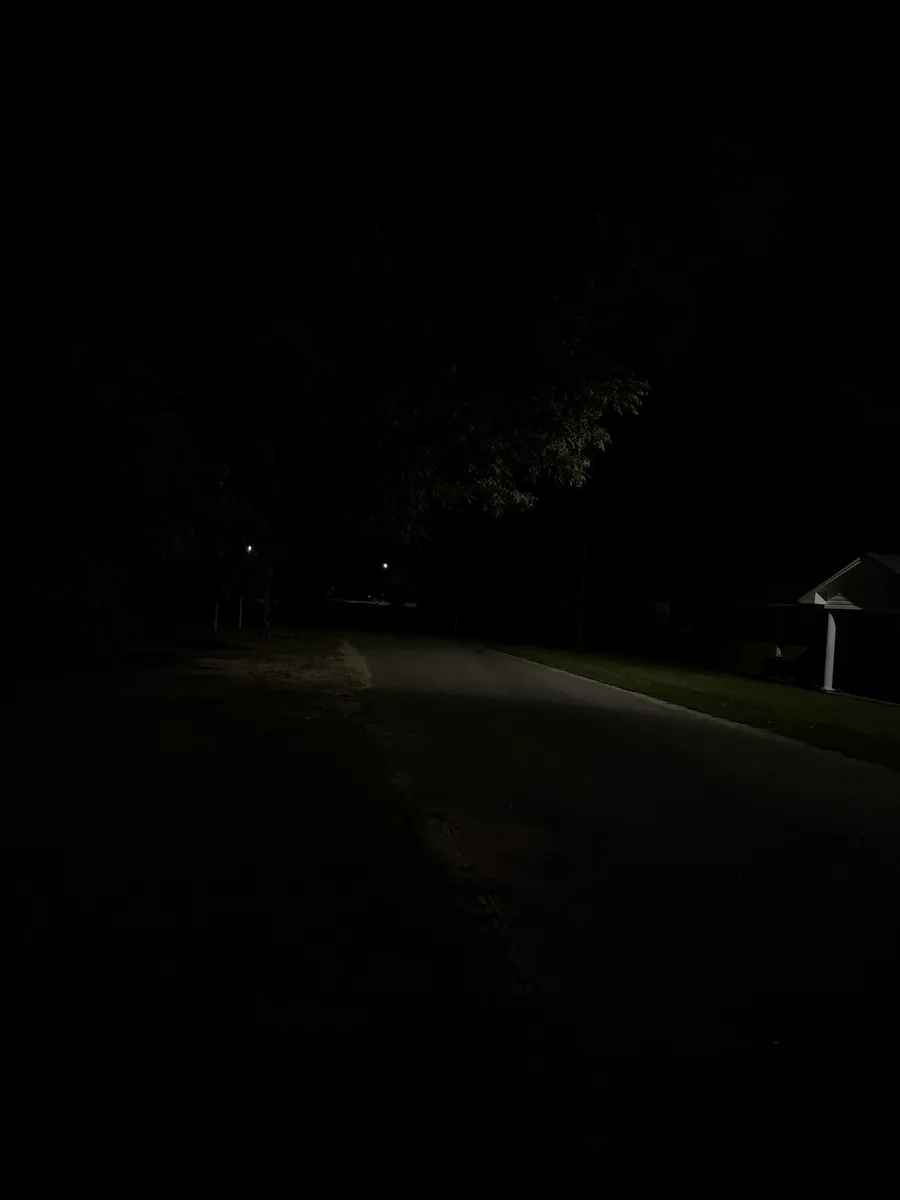
02
A community-based project organizing residents and responsible partners around practical street-lighting improvements in poorly lit areas with documented visibility concerns.
Read project overview →